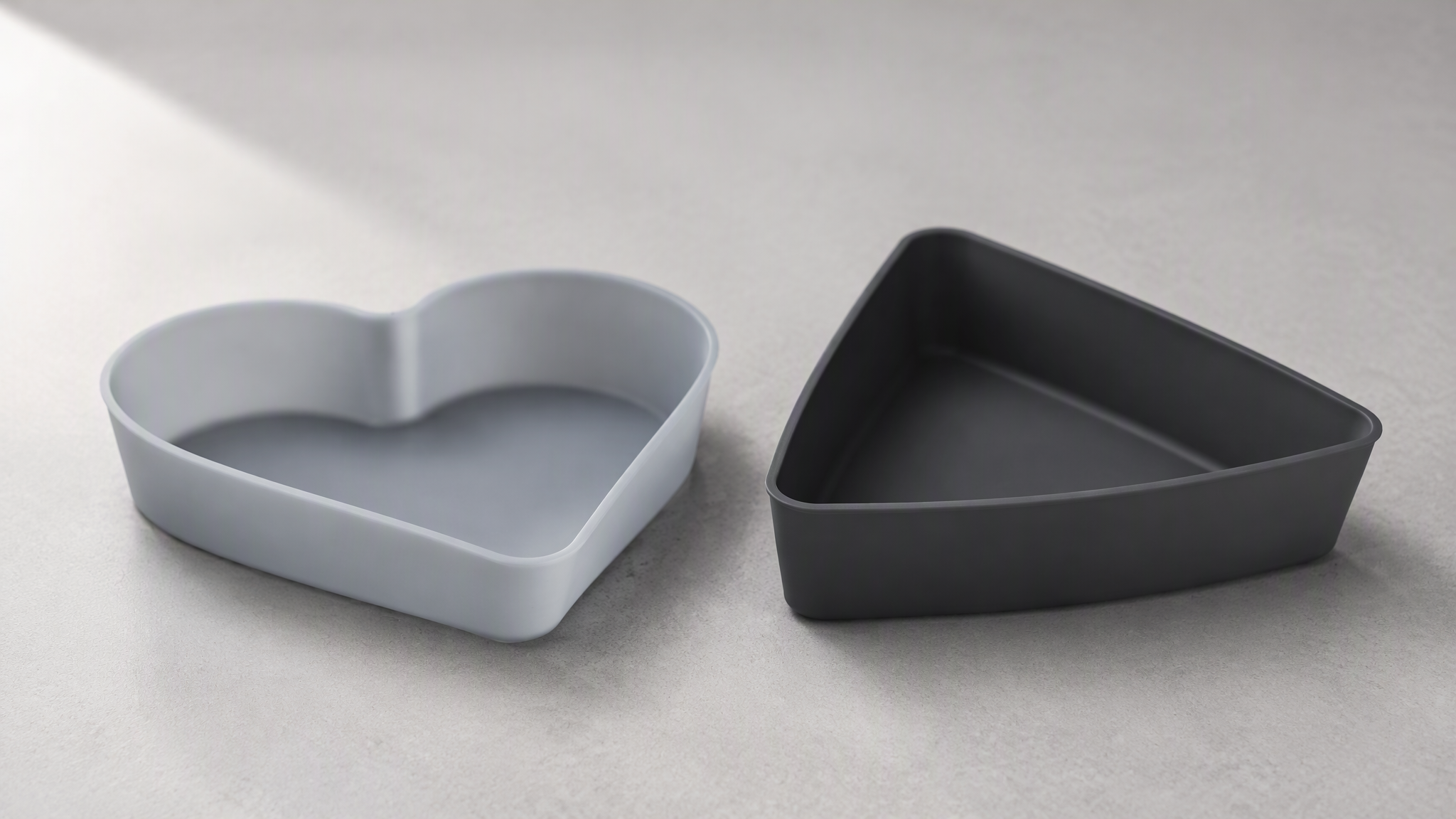
How Silicone Cake Molds Actually Release a Cake
Non-stick coating slides. Silicone cake molds peel. That difference decides how you unmold, when you unmold, and what to check before you buy a mold.

Non-stick coating slides. Silicone cake molds peel. That difference decides how you unmold, when you unmold, and what to check before you buy a mold.
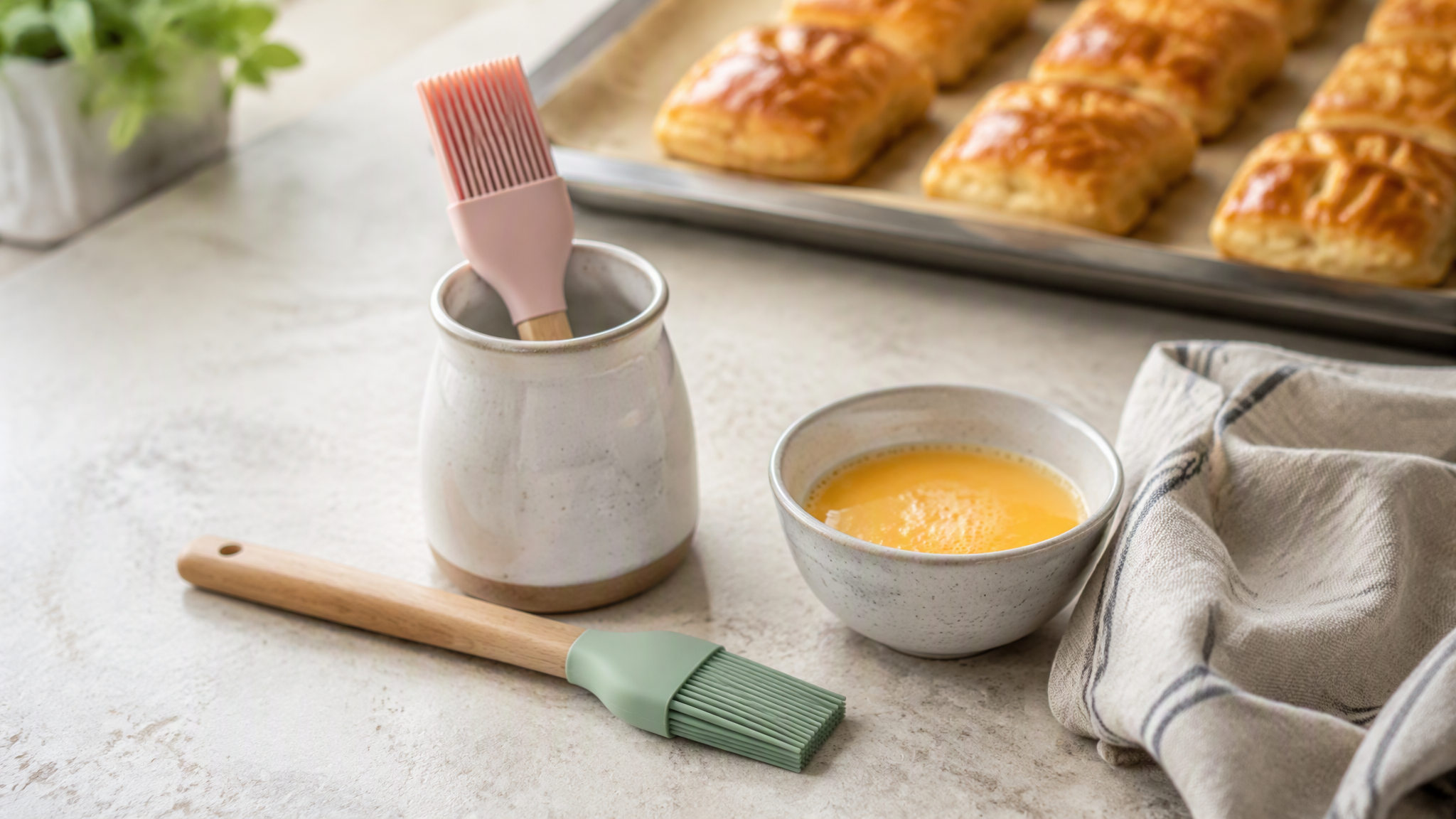
A silicone brush does not shed hairs, because it never had hairs. When one fails, it is almost always one of two things: an inserted bristle block working loose from its socket, or a one-piece head tearing at the base of a bristle. Both are decided at the mould, months before the brush reaches a kitchen. This guide explains what to look at, why pastry work exposes the problem first, and what to specify if you are buying by the thousand. What “shedding” actually means in a silicone brush Two constructions, two failure modes There are only two ways to attach a silicone bristle field to a handle. Inserted head. A separately moulded bristle block is pressed — sometimes glued — into a socket in the handle or a PP collar. Cheap to tool, and one handle can carry several head shapes. Its failure point is the socket: repeated flexing
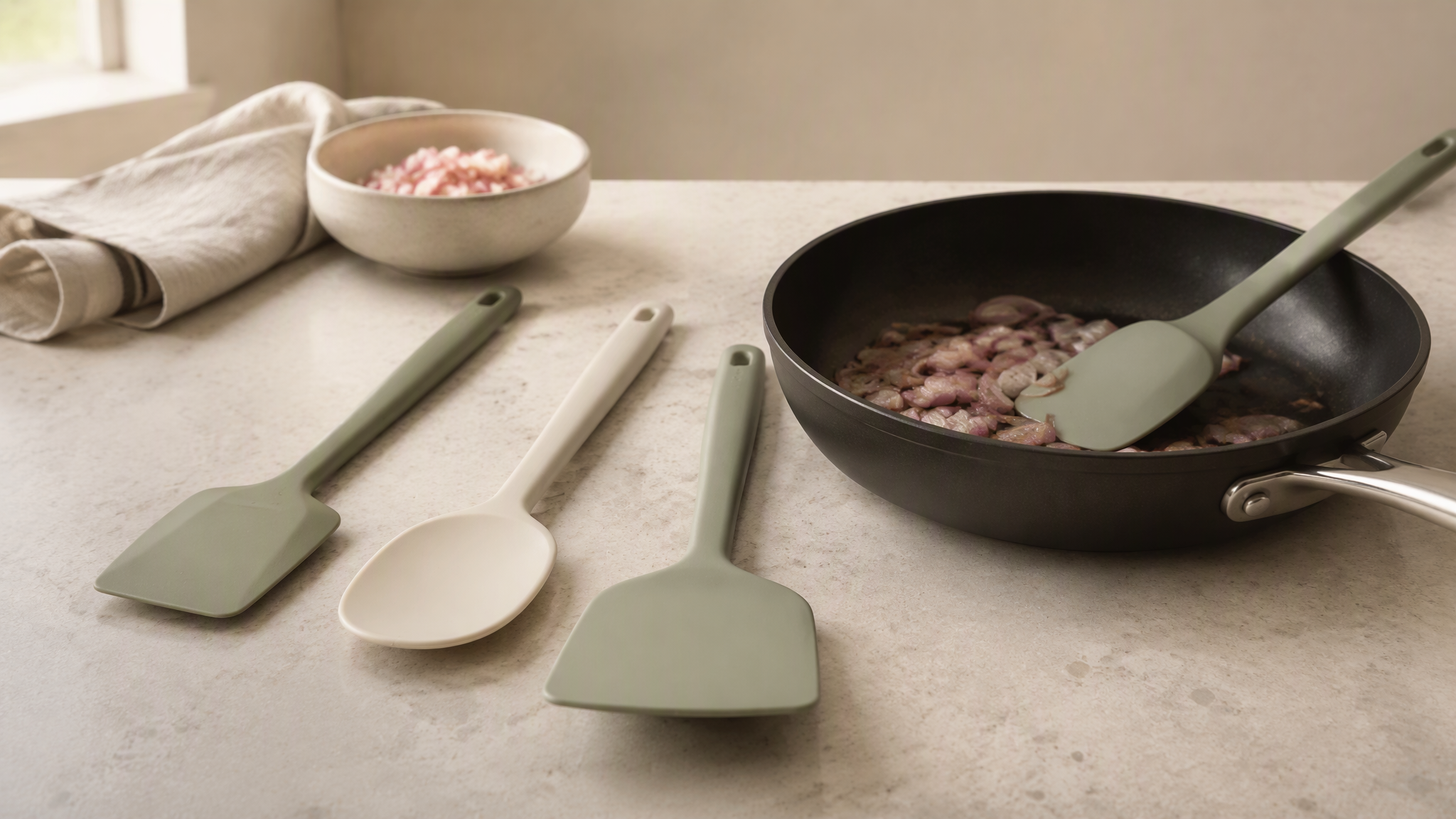
Heat resistance, one-piece construction and silicone grade decide whether a spatula lasts a year or five — a buying guide for cooks and wholesale buyers.
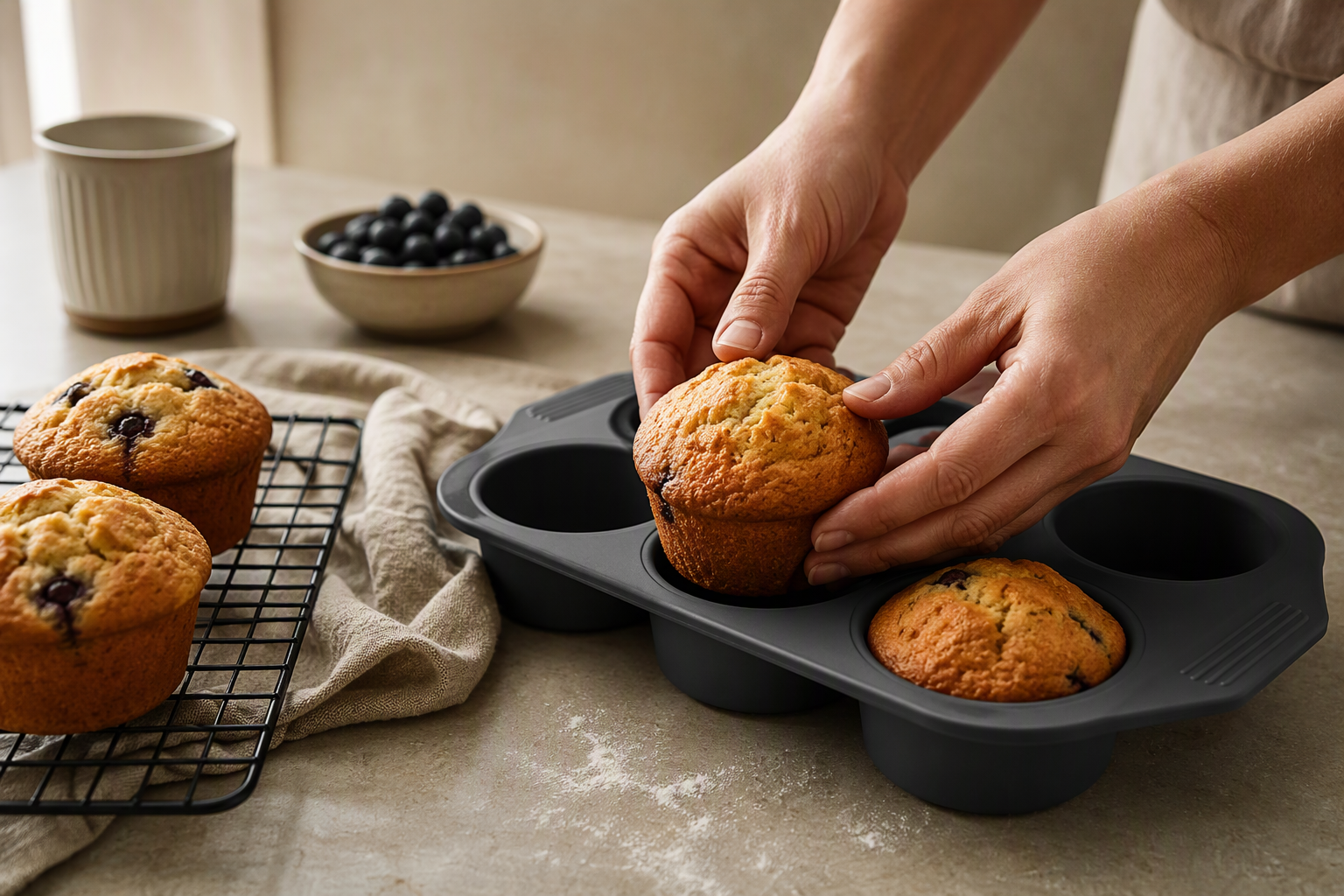
How to use a silicone muffin pan, bake egg bites that release cleanly, and tell real food-grade silicone from filler — plus a buyer’s checklist.
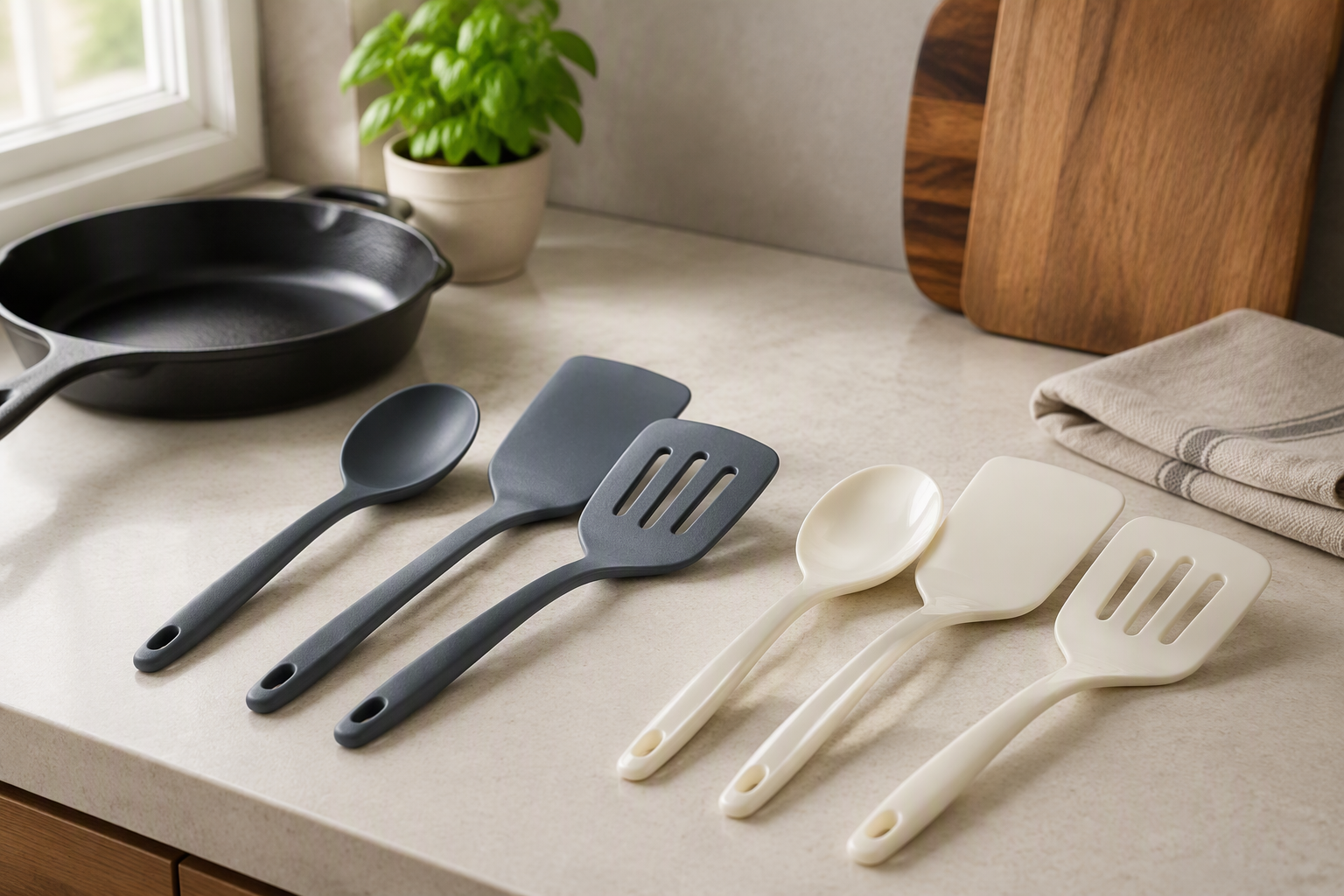
Silicone vs plastic kitchen utensils compared on heat, safety, durability and cost — with production-floor insight from a food-grade kitchenware factory.
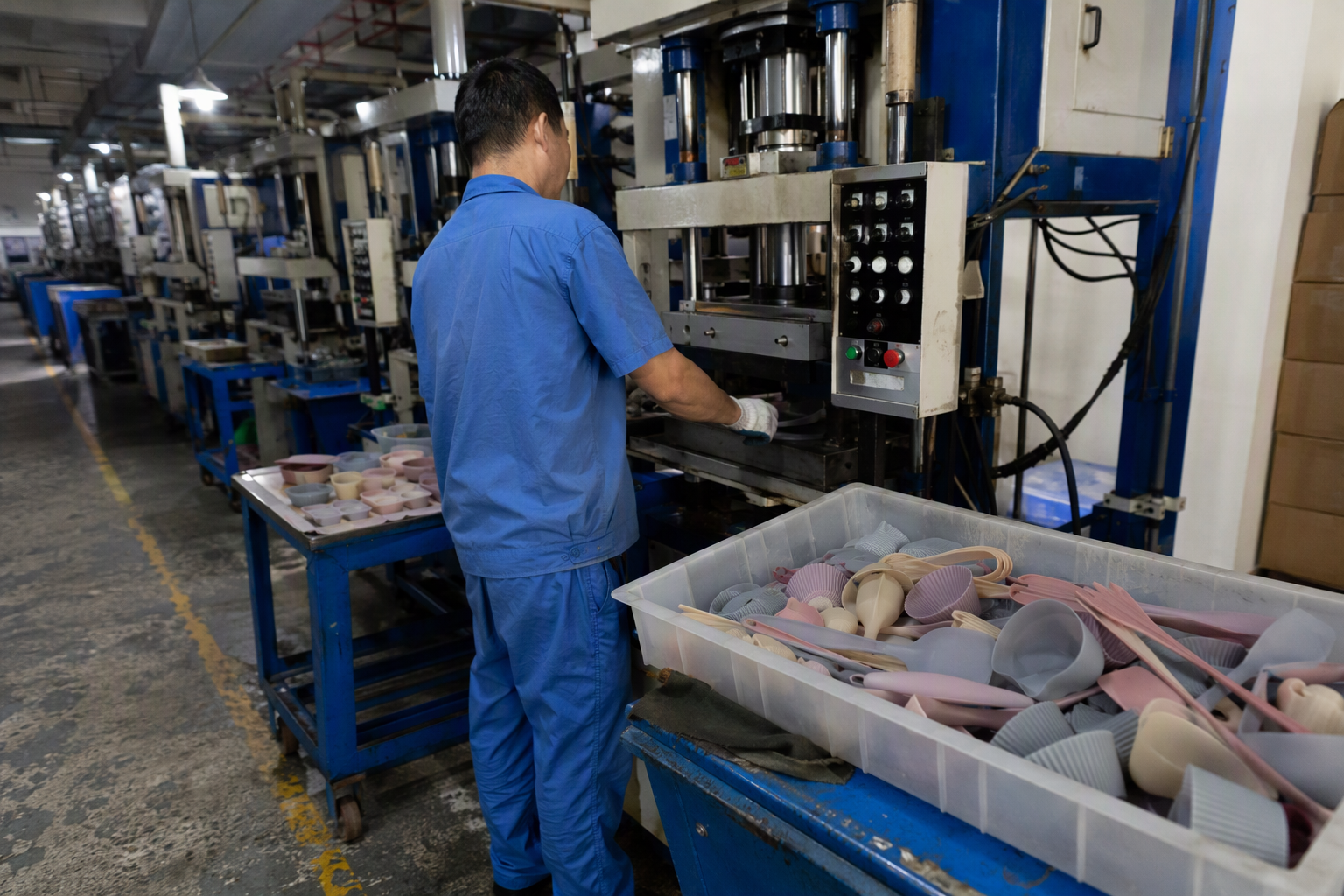
How to vet a silicone kitchenware manufacturer: food-grade certification, in-house tooling, QC systems, MOQ and lead times. A practical B2B buyer’s checklist.
Professional silicone & plastic kitchenware manufacturer based in Jiangmen, China. 10+ years of OEM/ODM experience for global brands, importers, and retailers.